| UPCOMING |
august 29 - september 27, 2026
Opening Reception:
august 29, 2026 | 5 - 8:00 pm
in the gallerIEs: SOLO EXHIBIT
ELLEN K. LEVY
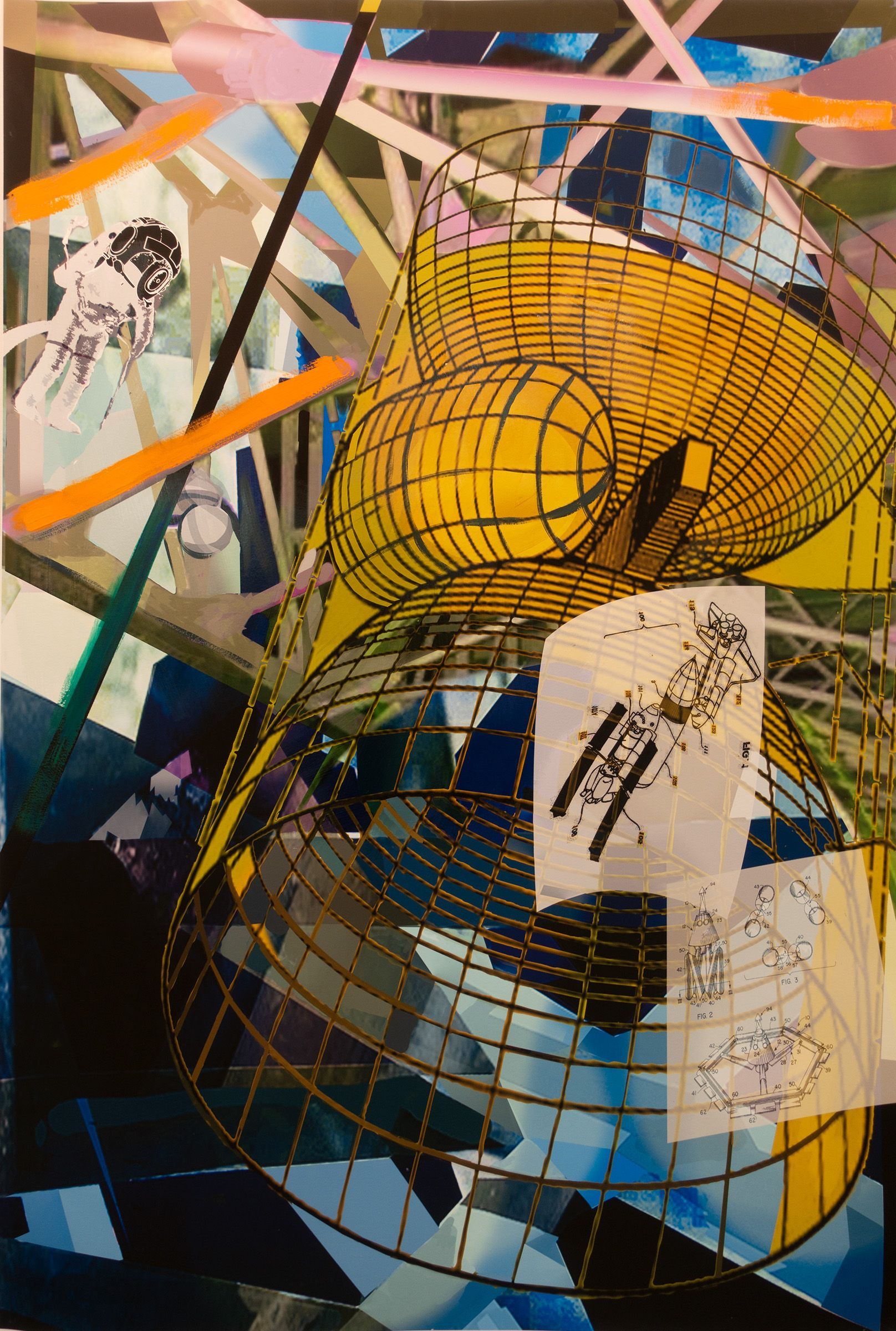
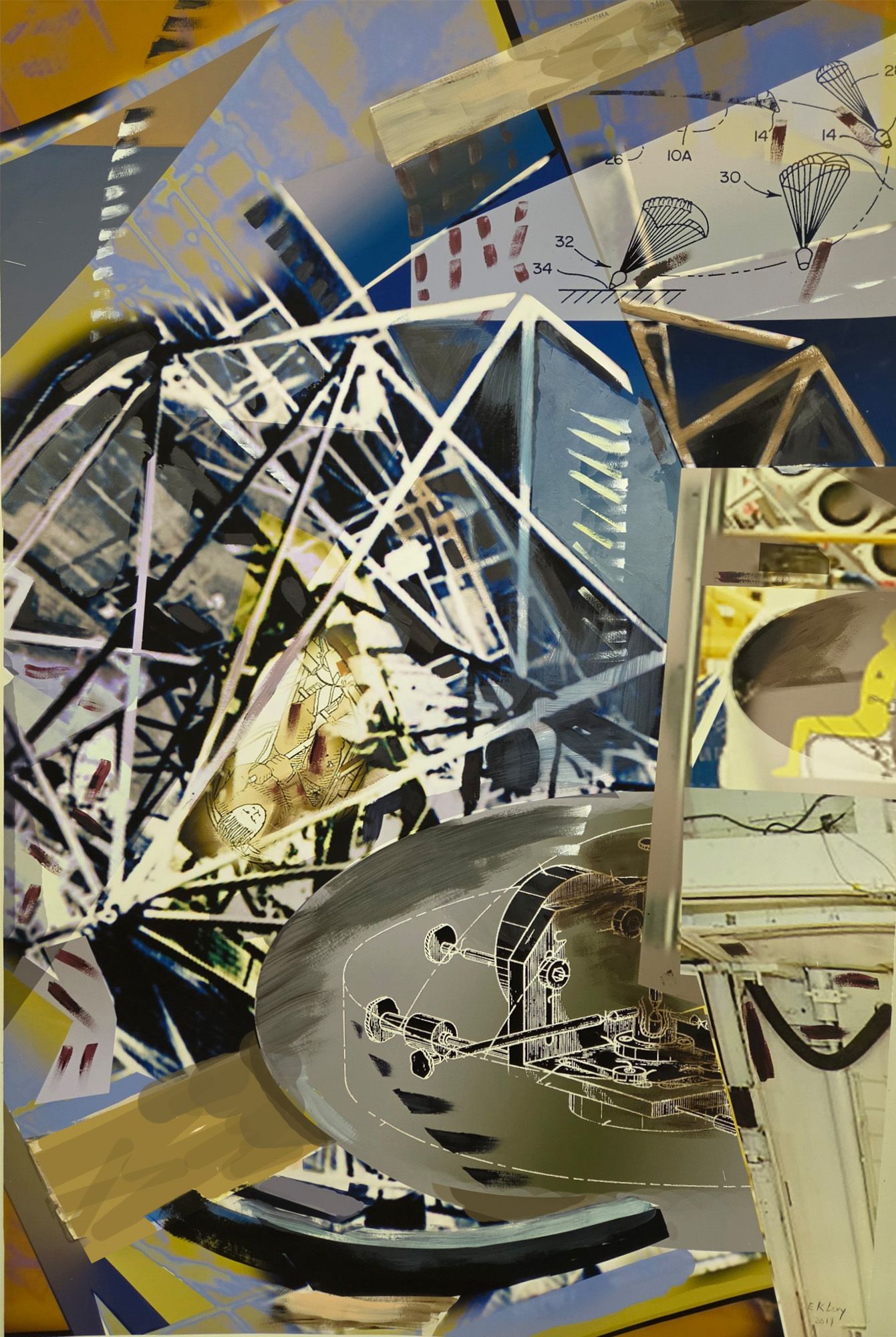
Ellen K. Levy is an American multimedia artist, writer, curator, and educator whose interdisciplinary work explores the intersections of art, science, technology, and the environment. Since the early 1980s, she has investigated how scientific paradigms, including neuroscience, evolution, and complexity theory, inform visual culture and artistic practice. Levy has exhibited internationally and published widely on the role of visual art in shaping and interpreting scientific knowledge.
“Through her evolving career, Levy has examined how art–science collaborations influence social and political movements, environmental activism, and contemporary art's role in public discourse. Her work emphasizes the interdisciplinarity of design across engineering, art, and technology, informed by emergent scientific ideas. She has engaged with themes such as morphology, systems theory, and eco-catastrophe, positioning her among artists who bridge visual culture and scientific inquiry.”— a catalogue excerpt from Barbara London
Artist Statement:
The space program, a recurrent subject in my art over decades, offers both terror and wonder, not unlike Edmond Burke’s description of the sublime. In zero gravity, the unexpected must be anticipated. The astronaut must exercise daily to prevent her muscles from debilitating atrophy. The sheer immensity of outer space displaces us, yet the space in which we must live is highly restrictive. I imagine what such a life might be like. Famed science fiction writer, Cixin Liu, who imagined humanity living underground commented “You do not need to leave a room that has wi-fi. You can spend all your life in an internet.”
My fascination stems from the vantage point outer space offers. We must imagine what enables us to live, work, and interact under trying new circumstances. For one, the threshold between speculative fiction and reality is ever more porous, in large part due to our technology. Routine pleasures necessarily become extraordinary in zero gravity, and are made possible by technology (e.g., inventing a coffee cup that does not spill). Since my NASA art commission (1985) during which I witnessed the Space Shuttle Atlantis night launch, I repeatedly visualize aspects of the new life that may await us. As Newtonian perspectives give way to non-Euclidean geometry, space will likely transform how we see. Circles, glass spheres, and nets predominate in the works exhibited. Astronaut tears in zero gravity assume the form of spheres like stars and planets. The view is “in,” “out,” or “through,” depending on the context. Culture and commerce (signified by patented inventions) intersect. In the exhibition, the bicycle rider will trigger a video that provides an illusion of control in a hazardous world. Some of the older works in the exhibition explore the ethical dimensions of technological progress. They allude to the prospect of a diminished earth seen through the window of the International Space Station.
It’s tempting to imagine that art can help prepare us for planetary habituation. This is not likely unless (as with some Zero Gravity artist groups) it includes physical conditioning to mitigate microgravity’s effects and technical proficiency with spacecraft systems. However, art’s potential to help foster psychological resilience may remain on the table as artists juggle facts with fiction.